Garden clearance in Rotherhithe
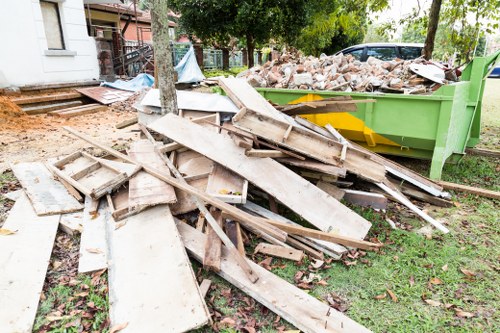
Our garden clearance in Rotherhithe covers the removal of outdoor waste, overgrowth cuttings, broken items and other unwanted materials from domestic and commercial gardens. The service is designed to leave outside spaces ready for the next stage of work, whether that means routine tidying, replanting, landscaping or simply regaining usable space. We handle mixed loads carefully, separating what can be reused, recycled or disposed of through suitable channels.
Clearance work in a garden often involves more than one type of material, so our approach is organised around the actual site conditions rather than a single rigid process. We can deal with branches, hedge trimmings, turf, soil, planters, fence panels, sheds and general outdoor clutter, while keeping in mind access, path protection and the need to work tidily. Practical sorting matters because it supports better disposal and helps reduce unnecessary handling.
If you need a clear price for outdoor waste removal, start by describing the size of the job and the main materials involved. You can also use our plain text request a quotation approach when you are ready to compare options and decide how quickly the work should be done.
What our garden clearance covers
Garden clearance can range from a quick tidy of cuttings after seasonal pruning to a fuller removal of built-up debris from neglected borders, patios and side passages. We work with natural waste and non-organic items together when they are mixed on site, because a realistic clearance job often includes both. That may involve bagged green waste, loose branches, old pots, damaged décor and other items that are no longer useful outdoors.
For customers who want a tidier finish, our service can also include the removal of light garden fixtures and smaller structures that are no longer wanted. This might be useful when a garden is being prepared for replanting, hard landscaping or a general reset. We aim to make the process straightforward by removing items in a way that keeps the remaining area accessible and manageable.
Outdoor waste and green material handling
Green material needs sensible handling because it is bulky, often damp and not always easy to move in one pass. Our work may include grass cuttings, prunings, leaves, branches, roots and the remains of cleared beds. When materials vary in size and weight, we sort them so that loading and disposal stay efficient. This is especially helpful where a garden has been left untidy for a while and the waste is spread across several areas.
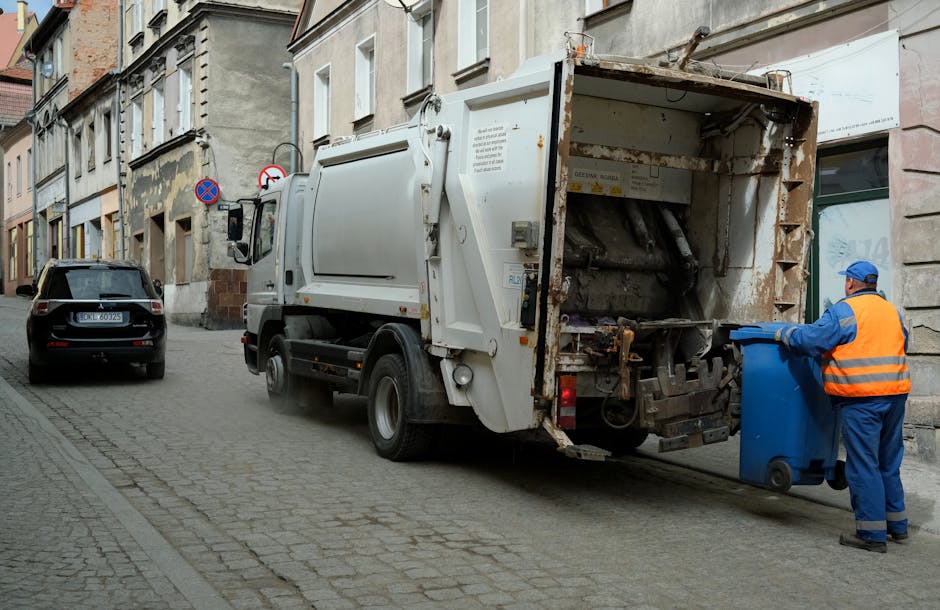
We also consider how to move waste from the garden without causing avoidable mess. That can mean planning the route out of the property, protecting floors where needed and loading items so that loose debris is kept under control. Good handling reduces disruption and helps the job finish in a cleaner state than it started, which matters when the outdoor area is close to the house or shared access.
Where the load includes soil, turf or heavier organic waste, the practical limit is usually access and weight rather than the garden type itself. A straightforward clearance can still need care if the items are wet, compacted or awkwardly stacked. In those cases, a clear description of the material mix helps us estimate the work accurately and plan the right method.
Mixed garden items and bulky outdoor objects
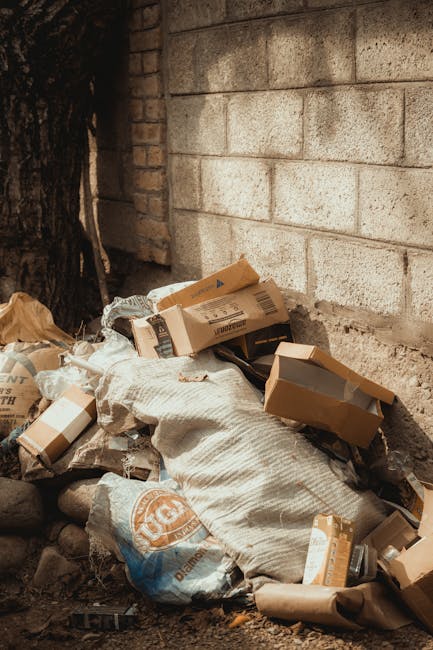
Not every garden clearance is made up of leaves and branches alone. Many jobs include damaged outdoor furniture, cracked pots, broken tools, worn children’s play items or packaging left from previous work. We can remove mixed garden clutter alongside green waste so that customers do not have to separate every item before the clearance begins. That saves time and keeps the job realistic for the way many gardens are actually used.
Bulky objects often need careful movement through narrow side access or around planted areas. We take a practical view of loading and removal, aiming to keep the process safe and tidy without overstating what is possible on every site. If an item is very large or partly dismantled, that can affect how long it takes to clear and how many people are needed for the work.
Preparing a quotation for garden clearance

To prepare a quotation, it helps to know what kind of material is present, roughly how much needs removing and whether the waste is easy to reach. Photographs can be useful, but they are not the only way to explain a job. A short description of the access route, any steps, gate widths or heavy items can make the estimate more reliable, especially when the clearance includes awkward or compacted waste.
If you are comparing services, focus on whether the provider can handle the actual mix you have rather than only the label of the job. A garden may contain soft green waste at the front, timber offcuts near the shed and broken general clutter near a boundary fence. When those details are known in advance, the quotation can reflect the real scope instead of relying on a vague category.
You can keep the enquiry simple: tell us what is there, where it is located and whether anything should be left behind. Clear notes save time and help make the quotation more precise. For larger clearances, a short list of the main materials is often enough to begin with.
Recycling and responsible disposal
Garden clearance should do more than move waste from one place to another. Where suitable, we aim to separate reusable or recyclable materials from general rubbish so that the final disposal route is more appropriate to the load. Organic material, untreated wood, metal items and some hard plastics may need different handling, so sorting at the point of collection can make a real difference.
The way materials are processed depends on what has been collected, and some items must be treated as mixed waste if they cannot be separated easily. That is normal in many outdoor jobs, especially where the garden has accumulated several seasons of debris. The important thing is to treat the load carefully and choose a lawful, sensible route for disposal.
We also take account of the smaller details that matter in outdoor work, such as broken bag contents, loose twigs and soil attached to roots. These fragments can turn a neat pile into a larger volume during loading, so the estimate should allow for the way the material is packed rather than only its visual footprint.
Access, timing and site conditions
Garden clearance is often shaped by access more than by the amount of waste alone. Narrow side paths, shared entrances, steps, awkward corners and wet ground can all affect how the work is carried out. We plan around these practical conditions so that loading is done as safely and efficiently as possible, while keeping disruption to a sensible level.
Timing matters too, particularly when a garden is being cleared before further work begins. If you are arranging follow-on tasks such as planting, patio work or fencing, it can help to have the waste removed in a sequence that leaves the site ready for the next trade or stage. A well-planned clearance also avoids waste being moved twice, which keeps the job simpler overall.
When a property has limited external space, a clear arrangement about what should be removed and what should remain is especially useful. That way the work stays focused on the correct area and avoids unnecessary handling. It also makes it easier to judge whether the job is best treated as a quick tidy or a fuller clearance.
Garden structures and worn outdoor fittings
Some garden clearances involve items that are partly fixed in place or mixed with other waste, such as old timber edging, broken trellises, damaged sheds, worn planters or disused fencing sections. These items can usually be removed as part of the clearance, although the method depends on how firmly they are attached and whether they need to be dismantled first. We approach them with the same practical focus as the rest of the job.
Small structural removals often sit alongside general outdoor waste removal, particularly when a garden has not been maintained for a period of time. The aim is not to rebuild the space, but to take away the redundant material that prevents ordinary use of the garden. That can create a cleaner starting point for whichever work comes next, whether that is simple maintenance or a more substantial redesign.
Choosing the right level of clearance
Some customers only need a light tidy, while others need a full removal of accumulated garden waste and unwanted outdoor items. Choosing the right level of clearance avoids paying for work that is not necessary and helps keep the job well defined. A light clearance might focus on cuttings and a few broken objects; a fuller clearance may include larger volumes of mixed material from several parts of the site.
There is also value in separating immediate needs from later plans. For example, a garden may first need waste removed before another contractor can inspect the area or start improvements. In that case, the clearance becomes a practical preparation step rather than a cosmetic one. Knowing the end goal helps determine whether the work should be scheduled as a quick removal or a more complete emptying of the outdoor space.
For many customers, the easiest next step is simply to outline what needs lifting and how urgent the work is. From there, the quotation can reflect the likely amount of labour, the type of waste and any access restrictions. If you are ready, request a quotation and describe the garden as it is now.
About Rotherhithe
Rotherhithe is a riverside district in south-east London, on the south bank of the Thames within the London Borough of Southwark. Its character has been shaped for centuries by the river, docks and maritime trade, and many of its street patterns still reflect older routes beside the water. The area has long-standing connections with navigation, shipbuilding and overseas commerce, and those themes remain visible in its place names and surviving historic fabric. St Mary’s Church, near the centre of the old village, is closely associated with local heritage and the wider river history of the district. The Brunel Museum, set close to the Thames Tunnel shaft, recalls one of the most famous feats of nineteenth-century engineering in the area. Nearby, the Thames Path provides continuous walking access along the river edge, while modern residential developments sit beside older terraces, wharves and converted dockside buildings. Canada Water, adjoining Rotherhithe, adds a strong waterside focus with open spaces, transport links and changing urban architecture. Much of the local landscape is defined by the contrast between enclosed streets, riverside views and remnant industrial features, giving the district a layered feel. It is a place where the past is still legible in the built environment, from churchyards and surviving historic pub frontages to dock-related basins, bridges and tunnels. Rotherhithe’s identity is therefore tied not only to its present-day housing and amenities, but also to a deep and distinctive relationship with the Thames and the working life that grew around it.
Garden waste removal for larger clearances

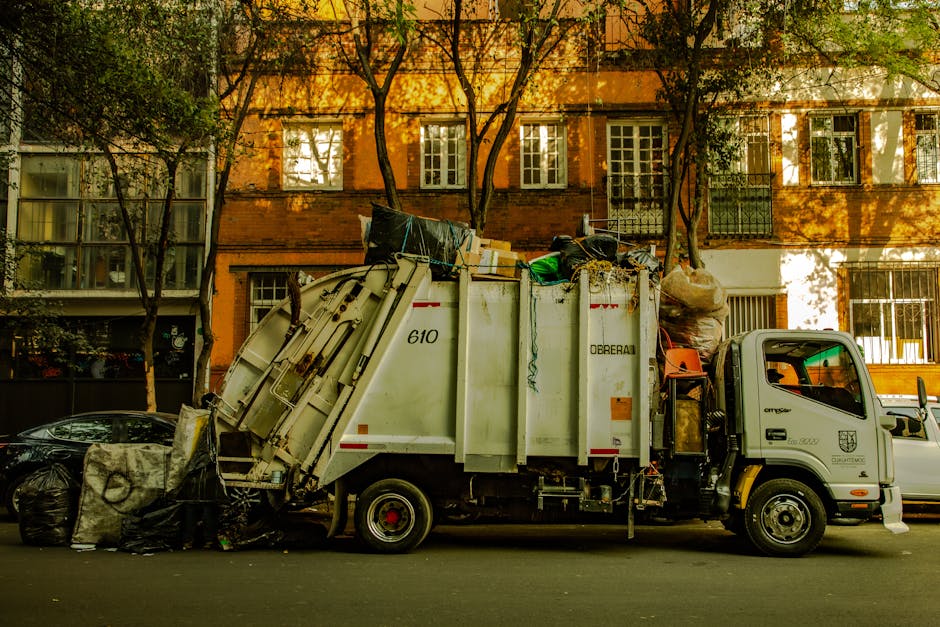
When a garden has a considerable build-up of waste, it can be more practical to treat the job as a broader garden waste removal rather than a small tidy. Larger clearances may include several bags of cuttings, broken outdoor fixtures, dense piles of branches and mixed household items that have ended up outside. We handle that kind of work by planning the collection around what is actually present, not just the general label.
Size alone does not tell the full story, because one bulky item may take less time than many smaller loads spread around the site. That is why a straightforward explanation of what needs removing is useful. It lets the quotation reflect the real amount of effort involved, especially if items are stored in multiple areas or need to be carried through a long route to reach the collection point.
For a better idea of scope, think in terms of what should be cleared from the garden, what can stay and whether anything is awkward to reach. Then send the details through with your request. If you want to move forward, contact us for a quotation and tell us about the waste you need taken away.