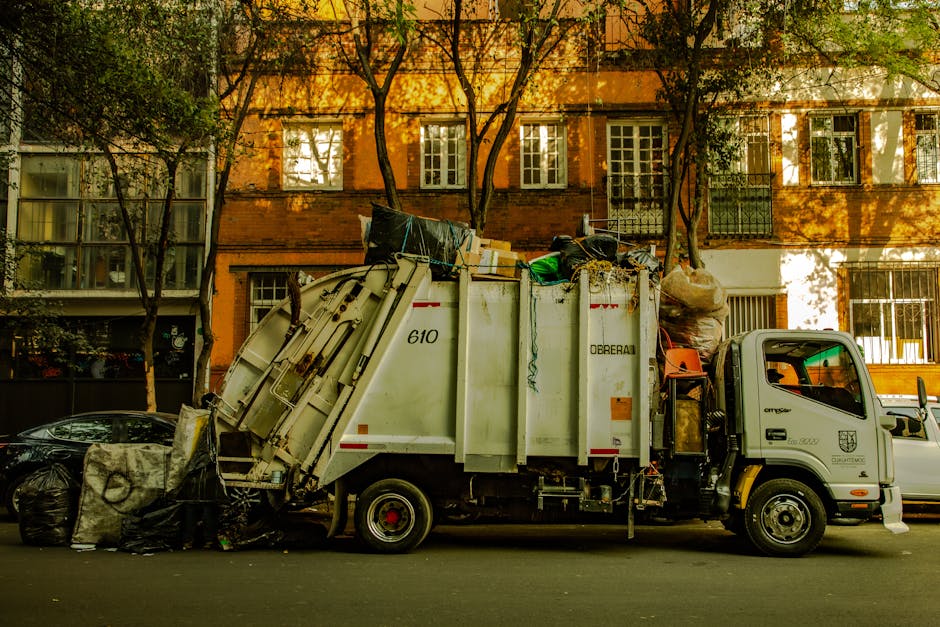
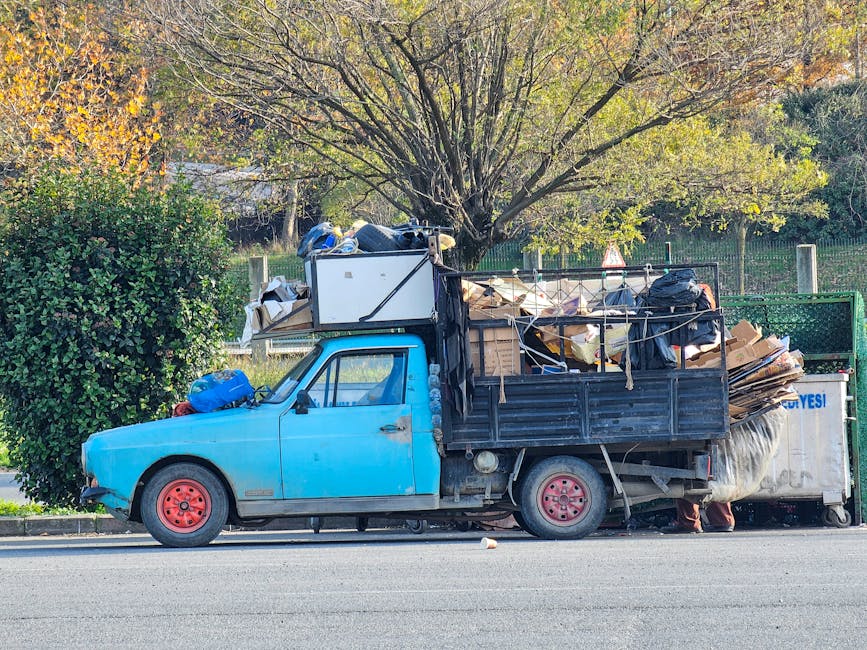
Bulky waste collection Rotherhithe SE16 real cost explained
If you are trying to work out the real cost of bulky waste collection in Rotherhithe SE16, you are probably not looking for vague promises or a glossy quote that changes at the door. You want the honest version: what affects the price, what counts as bulky waste, and where the extra charges usually creep in. Fair enough. In a place like Rotherhithe, where flats, narrow access, parking limits, and shared entrances can all shape the job, the final number is rarely just "one fixed fee".
This guide breaks the subject down in plain English. You will see how bulky waste collection is priced, what makes the cost rise or fall, how to compare service options, and how to avoid paying for things you did not actually need. We will also touch on practical issues like recycling, access, and what to check before you book. If you want a broader look at how services are presented, the site's pricing and quotes page is a useful starting point, and the company's recycling and sustainability information helps set expectations around responsible disposal.
Table of Contents
- Why the real cost matters
- How bulky waste collection works
- Key benefits and practical advantages
- Who this is for and when it makes sense
- Step-by-step guidance
- Expert tips for better results
- Common mistakes to avoid
- Tools, resources and recommendations
- Law, compliance, standards, or best practice
- Options, methods, or comparison table
- Case study or real-world example
- Practical checklist
- Conclusion
- Frequently asked questions
Why Bulky waste collection Rotherhithe SE16 real cost explained Matters
Let's face it: bulky waste sounds simple until you start listing what is actually in the room, the shed, the loft, or the spare bedroom that somehow became a storage unit. One old wardrobe. A broken sofa. A mattress. Maybe a tumble dryer that has been waiting by the wall for three months. Add all that up and the question stops being "Can I get rid of this?" and becomes "What is this really going to cost me?".
That matters because bulky waste removal is one of those services where the price can look straightforward from afar but change once the real-world details are known. In Rotherhithe SE16, those details often include stairs, parking restrictions, timed access, and the amount of lifting involved. A ground-floor flat with easy loading is a different job from a fourth-floor walk-up with a tight stairwell and no parking outside. Same item. Very different effort.
Understanding the real cost helps you plan properly, compare like for like, and avoid the kind of surprise that makes a simple clear-out feel oddly stressful. It also helps you choose the right service for the job. For example, a single item furniture removal may be suitable for one scenario, while a more varied load may sit better within a wider waste removal service. That distinction sounds small, but it often changes the bill more than people expect.
How Bulky waste collection Rotherhithe SE16 real cost explained Works
At its core, bulky waste collection is a collection-and-disposal service for large items that are awkward to move and too big for normal household bins. The job usually involves assessment, lifting, loading, transport, sorting, and disposal or recycling. The actual workflow can be quick, but the pricing depends on what is needed to get the job done safely and efficiently.
In practice, most providers look at a few key factors:
- Volume - how much space the items take in the vehicle.
- Weight - especially relevant for solid furniture, appliances, and mixed loads.
- Item type - sofas, beds, white goods, cabinets, and mixed junk can each require different handling.
- Access - stairs, lifts, narrow hallways, basement storage, or long carries.
- Parking and loading - in SE16, this can be a real pricing factor because time spent hunting for safe loading space adds labour.
- Disposal route - reusable items, recyclable materials, and general waste may be separated differently.
Some jobs are priced as a minimum load or single-item collection. Others are priced by van space or by labour time. If you are clearing a property with more than one category of item, something like home clearance or flat clearance may be the better fit. That is not just a naming difference; it changes the way the quote is shaped.
Truth be told, the word "bulky" covers a lot. A dismantled bed frame is bulky but light. A solid pine wardrobe is bulky and awkward. A fridge is bulky, heavy, and usually needs careful handling. A few broken dining chairs might not look like much until they fill half a van. That is why decent pricing starts with specifics, not guesses.
Key Benefits and Practical Advantages
There is a reason people book bulky waste collection instead of trying to DIY the whole thing. It saves time, reduces hassle, and cuts down the risk of injury or accidental damage. That sounds obvious, but in real life it is often the difference between finishing the job in an afternoon and spending your whole weekend in a state of mild frustration, surrounded by screws, dust, and a screwdriver you cannot find.
The practical advantages are worth spelling out clearly:
- Less physical strain - no dragging a sofa down stairs on your own.
- Faster turnaround - useful if you need a room cleared before a move, refit, or delivery.
- Cleaner finish - items are removed in one go rather than left in stages.
- Safer handling - important for sharp edges, broken furniture, and heavy appliances.
- More predictable disposal - a good provider should know how to separate reusable and recyclable material.
There is also a financial benefit that people sometimes miss. If you try to handle bulky waste yourself, you may end up paying in several ways: vehicle hire, fuel, disposal fees, wasted time, parking complications, and the occasional "why did I think this was a good idea?" moment. A professional collection can look pricier at first glance, but the all-in cost is often more transparent.
Practical summary: the cheapest quoted price is not always the lowest real cost. In bulky waste removal, access, lifting, and disposal handling can change the final number more than the headline rate.
Who This Is For and When It Makes Sense
This kind of collection makes sense for a broad range of people in Rotherhithe SE16. The most common situations are pretty familiar: a tenant clearing a flat before moving out, a homeowner replacing old furniture, a landlord preparing a property, or a family dealing with a build-up of unwanted items after a long period of "we will sort that out next month". And then next month becomes six months. Happens to the best of us.
It is often the right choice if you have:
- one or more bulky items that are difficult to move safely
- mixed household waste that is not suitable for standard bins
- a deadline, such as end of tenancy or new furniture delivery
- limited access to a vehicle or loading space
- items that need to be removed from an upper floor or a tight access point
It can also make sense for commercial users. A small office replacing desks and chairs, for instance, may need a more structured office clearance or business waste removal arrangement, especially where records, electronics, or equipment need sorting separately.
If the items are mainly furniture, the specialised routes of furniture clearance or furniture disposal may be more suitable. That can be useful when you are trying to keep the quote clean and avoid paying for a broader service than you need.
Step-by-Step Guidance
If you want the cost to stay sensible, the first rule is simple: prepare properly. A rushed booking almost always leads to awkward surprises. Here is the practical process we would suggest.
- List every item clearly. Write down what is being removed and, if possible, how many pieces there are. "Two wardrobes, one mattress, one armchair" is much better than "a bit of furniture".
- Note access details. Are there stairs? A lift? Any narrow turns, shared hallways, or long carries? In a block near the river, access can be the biggest variable.
- Separate reusable from waste. If some items are still usable, it may affect the route they take. This matters both for cost and for sustainability.
- Check whether dismantling helps. A flat-pack wardrobe or bed frame can sometimes be easier and cheaper to move in pieces.
- Ask how the price is calculated. Is it by volume, by item, by labour, or by a mixed model? You want that explained before the van arrives.
- Clarify what is included. Loading, labour, transport, disposal, and recycling should be clearly understood. No one likes a "small extra fee" appearing at the end.
- Book a realistic time slot. If parking is tight in SE16, a little flexibility can help. Ten minutes can matter more than you think.
A good habit is to take photos of the items before booking. It is not about overcomplicating things. It simply helps create a more accurate expectation. If a provider can see the shape, size, and quantity, the quote is usually cleaner and easier to trust.
Expert Tips for Better Results
Here are the small things that often make a surprisingly big difference.
1. Be honest about the awkward bits. If there is a heavy wardrobe on the second floor with a tight landing, say so. People sometimes leave out the difficult details because they worry the price will rise. But hidden complexity almost always causes more trouble later. Better to be upfront.
2. Group items logically. Put the bulky waste together if you can, but leave enough room to move around safely. A tidy staging area saves time, and time is often money.
3. Keep the route clear. Hallways, doorways, and stairwells should be free from trip hazards. That helps the team work faster and reduces risk. It also makes the whole thing feel less chaotic. A small win, but still a win.
4. Ask about recyclable material. Mixed loads can sometimes be separated. If a provider has a responsible sorting process, you may get better environmental outcomes without any extra effort on your side.
5. Compare the full service, not just the number. A slightly higher quote may include labour, disposal, and more careful handling. A lower one may not. That is the bit people forget when they are scanning quotes in a hurry over coffee at 8:15 in the morning.
6. Match the service to the property type. A cramped flat in SE16 is not the same as a house with a driveway. If you need a broader clear-out, options such as house clearance or loft clearance may give a more accurate cost structure than a single-item approach.
Common Mistakes to Avoid
The most expensive part of bulky waste collection is often not the collection itself. It is the avoidable mistake that creates a second visit, a revised quote, or a delay when you are already on a deadline.
- Underestimating the volume. People often forget that a sofa, a mattress, and a sideboard take up far more room than they appear to in the room.
- Ignoring access issues. A narrow stairwell or limited parking can change the quote after assessment if it was not disclosed early.
- Assuming all furniture is handled the same way. A light chair and a heavy wardrobe are not priced or moved in the same manner.
- Leaving items disassembled halfway. Half-dismantled furniture can sometimes be harder, not easier, to carry.
- Not checking service scope. A provider may specialise in a different type of job, such as garage clearance or builders waste clearance, which may be useful in some cases but not all.
One more thing: do not book based on a single line in an advert and assume everything else will magically line up. It rarely does. Ask the boring questions. The boring questions save money.
Tools, Resources and Recommendations
You do not need special equipment for every job, but a few simple tools can make the process smoother and cheaper.
- Tape measure - useful for checking whether items will fit through doors and down stairs.
- Phone camera - quick photos make quoting easier and more accurate.
- Marker labels - helpful if you are separating keep, donate, and remove piles.
- Basic screwdriver or hex key set - useful for dismantling beds or flat-pack furniture.
- Protective gloves - sensible for rough edges, splinters, or dusty garage items.
If you are planning a larger project, it may help to combine services rather than book piecemeal. For example, a property prep might involve a combination of flat clearance and home clearance, while a storage space or overflow area may be better served by garage clearance. That kind of joined-up planning usually feels more organised, and yes, a little less stressful.
For anyone comparing providers, the pages on about us, insurance and safety, and payment and security are useful trust checks. They help you see how the business presents itself beyond the quote alone.
Law, Compliance, Standards, or Best Practice
Bulky waste collection should always be handled with care, especially where transport, disposal, and property access are involved. In the UK, the broad expectation is that waste is collected, carried, and disposed of responsibly, with due attention to safety and proper handling. You do not need to memorise regulations to make a sensible choice, but it does help to work with a provider that explains what happens to the waste and how it is handled.
Best practice usually includes:
- clear pricing before work starts
- safe lifting and carrying methods
- reasonable care in shared spaces and communal entrances
- proper separation of reusable or recyclable items where possible
- transparent terms for access, waiting time, and extra load conditions
In practical terms, that means you should expect a straightforward service description, a realistic quote, and clear communication if anything changes. If the provider has clear policy pages such as terms and conditions and a published complaints procedure, that is usually a good sign that the business has thought about the customer journey properly.
Health and safety also matters more than people sometimes assume. Bulky items can pinch fingers, block exits, or damage floors if dragged carelessly. Good practice is not just a legal box-tick. It protects you, your home, and the people doing the lifting.
Options, Methods, or Comparison Table
If you are deciding how to get bulky items removed, it helps to compare the main approaches rather than just asking "what is cheapest?". Different methods suit different jobs.
| Option | Best for | Pros | Watch-outs |
|---|---|---|---|
| Single-item collection | One or two large items | Simple, quick, easy to plan | May become poor value if you add more items later |
| Bulky waste / van-based collection | Mixed large items | Flexible for awkward loads and multiple pieces | Access and loading details can change the quote |
| Furniture clearance | Sofas, tables, beds, wardrobes | Good fit for household furniture | May not suit mixed rubbish or non-furniture waste |
| Home or flat clearance | Whole-room or full-property clear-outs | More comprehensive and often more efficient | Could be more than you need for just a couple of items |
| DIY disposal | Small loads with easy vehicle access | Feels flexible, sometimes low direct cost | Parking, lifting, time, and disposal hassle can add up fast |
The best choice depends on the mix of items and the property layout. A small job can be over-serviced if you choose a full clearance. On the other hand, a large and messy job can become expensive if you try to split it into too many separate trips. Somewhere in the middle is usually the sweet spot.
Case Study or Real-World Example
Here is a realistic example from the kind of situation people often face in SE16.
A resident in a top-floor flat had a mattress, a broken sofa, a wardrobe, and two small shelving units to remove before a new delivery arrived the next day. At first glance it sounded like a simple collection. But once the details were checked, the building had a narrow staircase, no lift, and limited waiting space outside. That changed the amount of labour and timing needed.
The useful part here is not the exact number, because that will always vary. The useful part is the lesson: the "real cost" was not just about the items. It was about access, handling time, and whether everything could be taken in one efficient visit. After the items were grouped, the wardrobe was partly dismantled, and the route was cleared in advance, the job became much easier. Not glamorous, but it worked.
That kind of planning can save you money and a fair bit of stress. You know the feeling when a job suddenly becomes much more manageable simply because someone stopped and thought it through? That. Very much that.
Practical Checklist
Use this quick checklist before booking:
- Have I listed every item that needs removing?
- Have I measured any oversized pieces?
- Have I checked stairs, lifts, and hallway access?
- Have I thought about parking and loading space?
- Do I know whether items are reusable, recyclable, or general waste?
- Have I asked how the quote is calculated?
- Do I understand what is included in the price?
- Have I prepared the items in a safe, clear area?
- Have I checked whether this is better as a single-item job or a fuller clearance?
- Have I reviewed the provider's trust pages, such as safety, payment, and recycling?
If you can tick most of those off, you are in much better shape. The booking will feel calmer, and the final price is more likely to match what was discussed. Small thing. Big difference.
Get a free quote today and see how much you can save.
Conclusion
The real cost of bulky waste collection in Rotherhithe SE16 comes down to more than just the number of items. Access, load size, item type, labour, and disposal handling all shape the final price. Once you understand those moving parts, it becomes much easier to compare services properly and avoid the usual traps.
If you are clearing one awkward item, a few pieces of old furniture, or a mixed load from a flat, the smartest move is to be specific, ask direct questions, and choose the service that matches the job rather than the one that merely sounds cheapest. That approach tends to pay off. It usually does.
And if you are still weighing up your options, take your time, check the details, and pick the route that feels clear and manageable. A good clear-out should leave the space lighter, not your head full of what-ifs.
Frequently Asked Questions
What counts as bulky waste in Rotherhithe SE16?
Bulky waste usually means large household items that are too big for normal bins, such as sofas, beds, wardrobes, tables, mattresses, and similar awkward pieces. Some appliances may also fall into this category, depending on the service.
How is the real cost of bulky waste collection usually calculated?
It is commonly based on the amount of space the items take, how heavy or awkward they are, how easy they are to access, and how long the job is likely to take. Mixed loads can be priced differently from single items.
Why do quotes vary so much between jobs?
Because no two collections are quite the same. A ground-floor flat with easy parking is a very different job from a top-floor walk-up with a narrow stairwell. Access alone can shift the cost quite a bit.
Is it cheaper to book one big clearance or several small ones?
Usually one well-planned visit is better value than several separate trips. Multiple call-outs can increase labour and transport costs, though the right answer depends on how much you need removed.
Can I save money by dismantling furniture first?
Sometimes yes. Flat-packed or dismantled items are often easier to carry and fit more efficiently in the vehicle. Just make sure dismantling does not make the item awkward or unsafe to move.
Do I need to be at home during collection?
In most cases, yes, or at least someone needs to be available to give access and confirm what is being removed. That avoids confusion and helps prevent items being missed.
What if my flat has no lift?
That should be mentioned when you request a quote. Stairs increase labour and time, so they may affect pricing. It is one of the most common reasons a quote changes.
Is bulky waste collection better than DIY disposal?
If the items are heavy, awkward, or time-sensitive, a professional collection is often less stressful and safer. DIY can work for smaller loads, but the hidden costs and hassle can catch people out.
What should I ask before booking?
Ask what the quote includes, how access affects the price, whether recycling is part of the process, and whether there are any extra charges for stairs, parking, or waiting time. Simple questions, but they matter.
Can furniture be reused instead of thrown away?
Sometimes it can. Usable items may be handled differently from broken ones, so it is worth mentioning condition when you request a quote. Responsible providers often sort items with reuse and recycling in mind.
How far in advance should I arrange collection?
If your timeline is flexible, a little advance planning helps, especially in busy areas where access and parking can be tricky. If you have a deadline, it is better to book earlier than leave it to the last minute.
What is the biggest mistake people make with bulky waste pricing?
The biggest mistake is under-describing the job. Leaving out stairs, extra items, or awkward access often leads to a revised price later. Clear information at the start usually keeps the cost more stable.