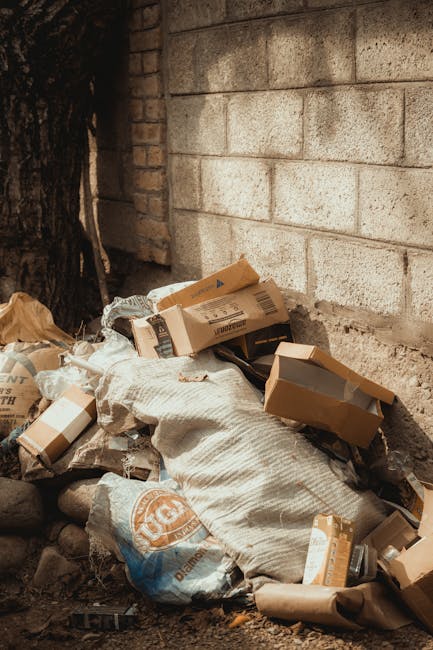
Rotherhithe Tunnel clearance service for heavy rubbish and debris
If you are dealing with bulky rubble, mixed builders' waste, soil, broken fittings, or awkward debris near the Rotherhithe Tunnel, you already know this is not a simple "load it and go" job. A proper Rotherhithe Tunnel clearance service for heavy rubbish and debris needs careful planning, the right lifting method, sensible timing, and a clear eye on safety. The tunnel environment changes the job completely: access can be tight, traffic conditions matter, and heavy waste behaves differently when it has to be moved in a confined area.
This guide explains how the service works, who it suits, what good practice looks like, and how to avoid the mistakes that turn a quick clearance into a long, messy delay. Along the way, you will also find useful comparisons, a practical checklist, and plain-English advice that actually helps when you are standing there looking at a pile of debris and thinking, right, how is this getting out safely?
Table of Contents
- Why it matters
- How it works
- Key benefits and practical advantages
- Who this is for and when it makes sense
- Step-by-step guidance
- Expert tips for better results
- Common mistakes to avoid
- Tools, resources and recommendations
- Law, compliance, standards, or best practice
- Options, methods, or comparison table
- Case study or real-world example
- Practical checklist
- Conclusion
- Frequently asked questions
Why Rotherhithe Tunnel clearance service for heavy rubbish and debris Matters
Heavy rubbish is not just "more waste". It is waste with awkward weight distribution, sharper edges, more lifting risk, and a higher chance of blocking access. Near the Rotherhithe Tunnel, that matters even more because the area often involves restricted manoeuvring space, time pressure, and the need to keep disruption down for nearby homes, businesses, and road users.
In practical terms, a tunnel-adjacent clearance can involve anything from construction offcuts and broken plasterboard to old timber, soil, concrete chunks, damaged fixtures, or a mixed load from a renovation. If a pile is left sitting too long, it becomes harder to sort, harder to lift, and harder to manage safely. You also risk creating trip hazards, dust, and a generally unpleasant site. Let's face it, nobody wants a simple clearance job to become a mini construction scene at the roadside.
A specialist service matters because the challenge is not just removal. It is planning the sequence: assess, load, protect the route, transport, and dispose properly. That is what separates a tidy clearance from a frustrating one.
Expert summary: the best heavy-rubbish clearance near the tunnel is the one that looks uneventful when it is finished. If everything was planned well, the job appears almost boring from the outside. That is a good sign.
If your waste also includes domestic items, broken furnishings, or mixed contents from a property clear-out, services such as house clearance, home clearance, or flat clearance can help when the load is not purely construction-based. For trade waste, a more focused route like builders waste clearance is often the better fit.
How Rotherhithe Tunnel clearance service for heavy rubbish and debris Works
The process is usually straightforward, but it works best when each step is done in order. Heavy waste should not be rushed. You can almost always tell when a job has been planned properly: fewer surprises, fewer repeated trips, less lifting about for the sake of it.
1. Site review and waste identification
The first step is understanding what is actually there. Heavy rubbish can mean very different things. A load of broken tiles is handled differently from damp timber, old furniture, or rubble mixed with plaster. Good clearance starts with a quick but honest review of volume, weight, access points, and any items that need separating.
2. Access planning around the tunnel environment
Working near the Rotherhithe Tunnel means access planning matters more than usual. Vans need sensible positioning, loading routes should be clear, and the team should know in advance where the heavy items will be carried from and to. The aim is to reduce unnecessary handling. Every extra lift adds risk, simple as that.
3. Safe loading and segregation
Heavy and light waste should be segregated where possible. That makes handling safer and disposal cleaner. For example, rubble may be bagged or loaded separately from timber, metal, or mixed construction waste. If reusable items or furniture are present, they should be separated early. That also helps with environmental handling later on.
4. Transport and disposal
Once loaded, the waste is removed for sorting, reuse where appropriate, recycling where possible, and disposal of the remainder. A responsible service should not treat everything as landfill-bound. Mixed waste can often be broken down into more manageable streams if it is handled properly from the start.
5. Final sweep and handover
The last stage should be more than a quick look around. The area should be left clear of obvious debris, nails, broken bits, loose dust, and anything that might cause a stumble later. That final sweep matters. It is the difference between "cleared" and "properly cleared".
If you are comparing service types, it can help to understand the wider options available. For example, a job involving old appliances or bulky domestic items may overlap with furniture clearance or furniture disposal, while clutter from a store room or workroom might be better managed through garage clearance or loft clearance.
Key Benefits and Practical Advantages
There is a reason people choose a specialist heavy rubbish clearance rather than trying to do it all themselves. Truth be told, what looks like a half-day job can easily take a full day or more once lifting, loading, traffic timing, and disposal are factored in.
- Less physical strain: heavy waste is demanding. A trained team reduces the risk of overexertion and awkward lifts.
- Safer movement: in a constrained route, careful carrying and loading matter more than brute force.
- Faster site recovery: a planned clearance gets the area back into use sooner.
- Cleaner finish: debris, dust, and loose fragments are removed, not just the obvious pile.
- Better waste sorting: mixed loads can be handled more sensibly when there is a clear method.
- Less disruption: especially important near residential streets and busy access routes.
There is also a quieter benefit that people often overlook: peace of mind. When you know the waste has been managed properly, you stop worrying about the pile sitting there through the evening or becoming someone else's problem in the morning. That alone can be worth a lot.
For businesses, the gain is often operational. Shops, offices, contractors, landlords, and facilities managers need spaces cleared without drama. If your work site also needs scheduled removal, business waste removal and office clearance may be useful supporting services, depending on the type of waste.
Who This Is For and When It Makes Sense
This type of service is a strong fit if you are dealing with waste that is bulky, weighty, awkward, or mixed. It is especially sensible when access is limited, when multiple item types are present, or when you need the site cleared promptly and safely.
Common situations include:
- builders finishing a small or medium project near the tunnel route
- landlords clearing post-refurbishment debris before re-letting
- homeowners dealing with rubble from a knock-through or flooring removal
- businesses disposing of bulky renovation waste or back-of-house debris
- managers handling a mixed load of broken fixtures, packaging, and hard waste
- property owners facing an end-of-tenancy or post-work clean-up
If the waste comes from a whole-property reset, a broader service like waste removal or home clearance may be more appropriate than trying to classify every item yourself. Not every pile needs a perfect label before it can be dealt with. Sometimes it just needs moving safely.
It also makes sense when the alternative is trying to handle heavy material with limited manpower. That is usually where people overestimate what one van load and a bit of good will can do. You know how that story ends.
Step-by-Step Guidance
If you want the job to go smoothly, follow a simple sequence. No drama, no guessing. This is the part where a tidy plan pays off.
- Walk the site first. Look at what is heavy, what is loose, what is sharp, and what might snag on walls, doors, or railings.
- Separate obvious categories. Keep rubble, timber, metal, reusable items, and general rubbish apart where practical.
- Clear the route. Remove obstacles from the path the team will use for carrying waste out.
- Protect surfaces. If items must pass through a shared hall, tight doorway, or finished floor, use sensible protection.
- Lift with a plan. Heavy items should be moved in manageable loads rather than one heroic attempt after another.
- Load systematically. Heaviest items go in first where appropriate, balanced with smaller pieces to reduce movement during transit.
- Check for missed debris. Small fragments often remain after the main pile has gone.
- Confirm disposal route. Ensure the waste is being handled through a responsible outlet that matches the load type.
One small but useful tip: if the debris includes bagged rubble, do not overfill the bags. It sounds obvious, but people do it all the time, then wonder why the lift becomes awkward. Heavy waste should be heavy enough to matter, not so heavy that it turns into a back strain waiting to happen.
Expert Tips for Better Results
A few practical habits can make a heavy clearance much easier. These are the things experienced crews tend to do almost automatically.
- Keep a clear load order. If the heaviest material is buried under lighter waste, the whole job slows down.
- Use the shortest safe route. Long carrying distances burn time and increase the chance of damage.
- Avoid mixed contamination. Rubble mixed with general waste can be harder to manage downstream.
- Watch for hidden weight. Wet soil, saturated timber, and plasterboard can weigh more than they look.
- Check access at the start of the day. Things change overnight: parked vehicles, bins, and temporary barriers can all affect the route.
- Leave room for sorting. A small staging area near the load point can save a lot of shuffling around.
In our experience, the calm jobs are the ones where someone spent ten minutes thinking before the first sack was moved. That tiny pause saves hours later. It is not glamorous, but it works.
If the waste includes items from a garage, loft, or a long-neglected side space, consider whether a broader declutter is needed too. Services such as garage clearance or loft clearance often reveal useful items that can be separated before the heavy waste goes.
Common Mistakes to Avoid
A few errors show up again and again. They are easy to make, and annoying to fix.
- Underestimating weight: a pile that looks manageable can become very heavy once lifted piece by piece.
- Starting without a route plan: if you do not know where the waste is going, the job becomes clumsy fast.
- Mixing everything together: that often makes sorting harder and can increase disposal complexity.
- Trying to rush the job: speed is useful, but not at the expense of safe handling.
- Ignoring small debris: nails, shards, screws, and dust are exactly what cause little accidents after the main pile is gone.
- Forgetting about neighbours or shared access: near a tunnel route, a bit of courtesy and timing goes a long way.
Another common mistake is assuming all waste is the same. It is not. A broken wardrobe, a stack of old pallets, and a mound of demolition rubble need very different handling. That is why matching the service to the load matters so much.
Tools, Resources and Recommendations
You do not need a shed full of specialist kit to organise a better clearance, but a few basics make a real difference.
| Tool or resource | Why it helps | Best used for |
|---|---|---|
| Heavy-duty sacks | Contain rubble and smaller fragments safely | Broken masonry, offcuts, small debris |
| Gloves with grip | Improve handling and reduce slips | General lifting and sorting |
| Protective floor covering | Helps protect finished surfaces during carry-out | Indoor routes, tight access, shared entrances |
| Labels or simple markers | Makes sorting faster | Separating reuse, recycling, and disposal streams |
| Wheelbarrow or trolley | Reduces repeated manual carrying | Short, safe internal moves |
From a service perspective, it is worth reviewing how the provider handles safety, payment, and sustainability before booking. Pages like health and safety policy, insurance and safety, payment and security, and recycling and sustainability can give you a clearer picture of how the company works.
If you want to understand the business behind the service, the about us page can also help reassure you that you are dealing with a real team, not a vague promise and a van.
Law, Compliance, Standards, or Best Practice
For heavy rubbish and debris, compliance is mainly about responsible waste handling, safe lifting, and making sure the material is transferred to the right destination. The exact legal duties can vary depending on the waste type and the work setting, so it is wise to treat any guidance as general best practice rather than a substitute for site-specific advice.
In the UK, waste producers and waste carriers are expected to handle material responsibly and avoid fly-tipping or careless disposal. For construction or renovation waste, that usually means clear separation where practical, careful documentation where required, and using a provider that understands how to manage mixed loads properly. If hazardous or unusual items are involved, extra care is needed. Do not guess. That is how problems start.
Best practice also includes:
- keeping access routes clear and safe
- using suitable manual handling methods
- protecting surfaces and adjacent property
- sorting reusable or recyclable items early
- avoiding overloading bags or containers
- confirming how the waste will be processed after collection
If you are hiring help for a commercial site, the standards expected tend to be a little higher simply because there is more risk around shared access, public interaction, and time-sensitive schedules. That is one reason businesses often use a dedicated business waste removal service rather than relying on ad hoc arrangements.
Options, Methods, or Comparison Table
Different jobs call for different approaches. Here is a simple comparison to help you decide what fits best.
| Method | Best for | Strengths | Limitations |
|---|---|---|---|
| DIY removal | Very small, light loads | Low direct cost if you already have the tools | High effort, more risk, slower, harder near restricted access |
| General waste collection | Mixed household or small project waste | Flexible for routine clearances | May not suit heavy rubble or awkward debris |
| Specialist heavy debris clearance | Rubble, bulky fragments, mixed heavy loads | Safer handling, better planning, faster clear-out | Usually more structured and needs upfront assessment |
| Full property clearance | Large clear-outs with multiple item types | Comprehensive, convenient, less sorting for the customer | May be broader than needed for a single debris pile |
To be fair, the right answer is often a mix. A project might need builders' waste clearance for rubble, furniture disposal for old items, and broader waste removal for the last bits you did not expect to find until the end. That is normal. Jobs rarely stay neatly in one category.
Case Study or Real-World Example
Here is a realistic example based on the kind of job people often face near the tunnel.
A small refurbishment has finished and the site now has a pile of mixed heavy waste: broken tiles, a few damaged cabinets, timber offcuts, plaster fragments, and bagged dust and rubble. The entrance is awkward, the nearest parking space is not ideal, and the team wants the area cleared before the next trade arrives the following morning.
The sensible approach is to sort first, bag the lighter debris, move the heavier fragments in short stages, protect the path through the property, and keep the load balanced. The main pile is removed in one run, then the team returns for a careful final sweep. The site is left usable, not just "mostly better".
What made the difference? Two things: not overfilling anything, and not treating the job as if it were a quick garden tidy. Heavy clearance is its own thing. Once you respect that, the whole process becomes much smoother.
Practical Checklist
Before booking or starting the clearance, run through this list.
- Identify the main waste types on site
- Check whether any items are unusually heavy, sharp, or dusty
- Clear the route from waste source to loading point
- Decide whether anything can be reused or separated for recycling
- Confirm access, parking, and timing constraints
- Protect floors, walls, and door frames where needed
- Use suitable bags, containers, or lifting aids
- Make sure the load is not overfilled
- Plan the final sweep for smaller fragments and dust
- Keep the provider's safety, payment, and terms information to hand
If the job also includes a larger household reset, a house clearance or furniture clearance may help simplify the wider clean-up. That can be especially useful when the heavy rubbish is only one part of a bigger, messy picture.
Conclusion
A Rotherhithe Tunnel clearance service for heavy rubbish and debris is really about three things: safe handling, smart planning, and a clean finish. Once those pieces are in place, the job becomes much less stressful. You are not just shifting waste out of the way; you are making the site safer, easier to use, and easier to move forward with.
Whether the load comes from building work, a property clear-out, or a mixed site clean-up, the best results come from treating the waste properly from the start. If you take the time to sort, protect, and plan, you will notice the difference immediately. Fewer delays. Less mess. Less worry. And yes, a much better final result.
Get a free quote today and see how much you can save.
When the last bag is gone and the space is clear again, it has a satisfying sort of calm to it. Quiet, ordinary, sorted. That is the goal, really.
Frequently Asked Questions
What counts as heavy rubbish and debris?
Heavy rubbish usually includes rubble, broken masonry, soil, wet material, timber bundles, metal offcuts, damaged fixtures, and bulky mixed waste that is awkward to lift or carry safely.
Is a Rotherhithe Tunnel clearance service suitable for builders' waste?
Yes. In many cases, it is exactly the right choice for builders' waste, especially when the load includes rubble, mixed fragments, and access is limited near the tunnel.
How do I know whether I need builders waste clearance or general waste removal?
If the waste mainly comes from renovation, construction, or demolition, builders waste clearance is usually the better fit. If it is a broader mixed load from different sources, general waste removal may be more suitable.
Can heavy debris be cleared from flats or upper floors?
Yes, but the access route needs to be checked carefully. Narrow stairs, shared entrances, and fragile surfaces all affect how the job should be handled.
Do I need to sort the waste before collection?
Sorting helps a lot, but it does not have to be perfect. Even basic separation of rubble, timber, metal, and reusable items can make the clearance faster and cleaner.
What should I do with old furniture mixed in with debris?
Separate it if possible. Furniture can often be handled alongside debris, but it may be better suited to a furniture-specific service or a wider property clearance depending on the load.
How long does a heavy rubbish clearance usually take?
That depends on volume, access, and how mixed the waste is. A small, tidy pile can be quick. A larger or more awkward load near restricted access will take longer, and that is normal.
Is it safe to move heavy rubble myself?
Only if the load is genuinely manageable and you have safe handling equipment. If it feels awkward, unstable, or too heavy, it is better not to push it.
What happens to the waste after collection?
It is typically sorted for reuse or recycling where possible, with the remainder disposed of responsibly. The exact route depends on the material type and condition.
Can I book a clearance for a business site near the tunnel?
Yes. Business sites often need careful timing, tidy access management, and prompt removal to avoid interrupting operations, so this is a common and sensible use case.
What if my waste includes mixed items from a loft, garage, and garden?
That is still manageable. Mixed domestic loads are common, and services like loft clearance, garage clearance, and garden clearance can help identify the right approach for each part of the job.
How do I choose a trustworthy provider?
Look for clear information about safety, insurance, payment, recycling, and complaints handling. A trustworthy provider should be able to explain how the job will be managed without making it sound overly complicated.